
Earth Index 推出「Search for Stuff」:用自然语言搜索环境监测目标
Earth Genome 近日为其相似性搜索应用 Earth Index 推出了一项名为「Search for Stuff」的 AI 新功能,旨在帮助环保工作者更高效地识别环境破坏的位置。 Earth Index 的每一次搜索都始于示例。无论是快速搜索还是深度搜索,系统都需要从用户标注的地点中学习,因此任何项目的首要步骤都是找到几个正样本。过去,这意味着人工扫描影像或上传自己的 GeoJSON 文件。而 Search for Stuff 让用户可以直接从开放数据中获得先发优势。
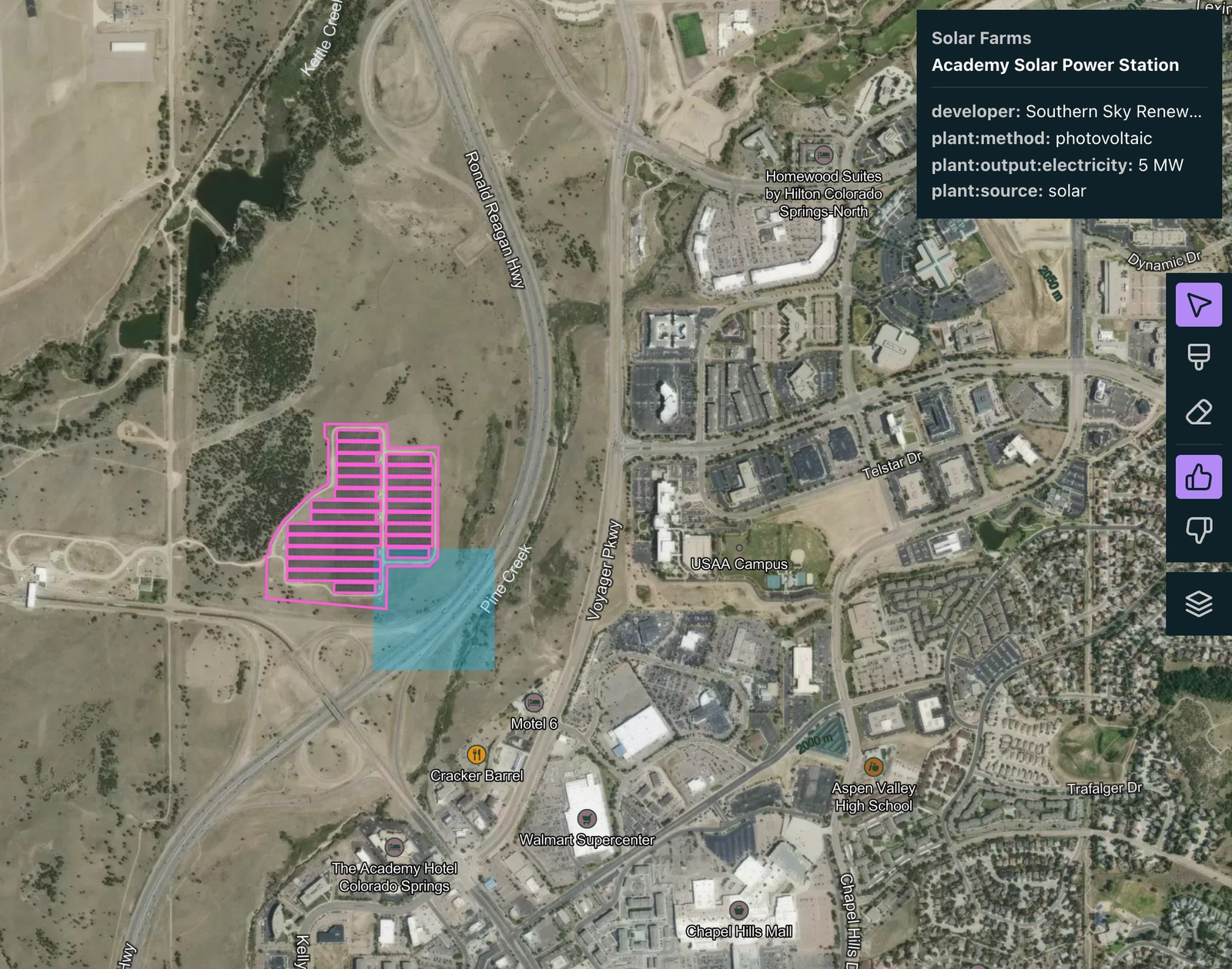
据 Earth Genome 的 Andrew Milligan 介绍,用户只需用平实的语言描述想要寻找的目标——例如太阳能农场、采石场或污水处理厂——Earth Index 便会自动在用户关注区域内构建一个已知位置的参考图层。这简化了构建参考图层的初始步骤,而该图层正是后续寻找其他相似位置的基础。现在,用户无需手动描摹已知位置,只需用自然语言描述即可。 在技术实现上,Search for Stuff 利用 OpenStreetMap 数据来生成一组可能匹配用户搜索目标的地物。其底层使用大型语言模型将用户的请求转换为 OpenStreetMap 的词汇体系——即志愿者制图者为全球地物标注的标签。该模型会考虑同义词和地区性术语,并在遇到不熟悉的概念时搜索网络。 由于语言模型有时会凭空捏造内容,系统会将每个标签与 Taginfo 进行核对。Taginfo 是 OpenStreetMap 标签实际使用情况的公开记录,罕见或虚构的标签会被剔除。随后,系统会在项目区域内查找匹配的地物,并将结果转换为地图瓦片。 Milligan 还幽默地表示,Search for Stuff 赢得了今年的「最佳新产品名称」奖。这个名称完美地概括了用 AI 搜索时那种模糊的、描述后即见结果的本质。 想要了解 Search for Stuff 的完整技术细节与实现思路,欢迎点击原文链接查看 Lat Long Blog 的完整报道。
编译自 Lat Long Blog,原文链接
原文摘要
Earth Index Lets You Search for Stuff
Link: www.earthgenome.org Earth Genome has added a new AI-driven feature for creating reference layers in Earth Index, a similarity-search application allowing conservationists to identify locations of environmental harm. Andrew Milligan, Earth Genome: We recently launched Search for Stuff, a new way to hit the ground running in Earth Index. Describe what you’re looking for in plain language (solar farms, quarries, water treatment plants) and Earth Index builds a reference layer of known locations across your area of interest. Every search in Earth Index starts with examples. Quick Search and Deep Search learn from the places you label, so the first step in any project is finding a few positive examples. That used to mean scanning imagery by hand or uploading your own GeoJSON file. Search for Stuff gives you a head start from open data. It simplifies the initial step of building a reference layer that forms the basis for finding similar locations elsewhere. Instead of tracing known locations, you can now just describe what you’re looking for in plain language. Search for Stuff uses OpenStreetMap data to create a set of features likely to match your search. Under the hood, Search for Stuff uses a large language model to translate your request into the vocabulary of OpenStreetMap: the tags volunteer mappers apply to features all over the world to describe what they are. The model considers synonyms and regional terms, and it can search the web when a concept is unfamiliar. Because language models sometimes make things up, every tag is checked against Taginfo, the public record of how OpenStreetMap tags are actually used, and rare or invented tags are dropped. We then look for matching features inside your project area and turn the results into map tiles. Search for Stuff wins this year’s “Best Name for a new Product” award. It perfectly encapsulates the fuzzy, describe-it-and-see nature of searching with AI.